The Practical Value of Romantic Floral Wedding Invitations
In the landscape of wedding planning, the invitation serves as the first tangible piece of the event guests will receive. It sets the tone, conveys the theme, and carries significant logistical information. For those managing their own design process—be they professional event planners, savvy freelancers, or engaged couples with a creative bent—a well-structured digital template can be a critical resource. The Romantic Floral Wedding Invitations Card represents this category of asset: a pre-designed, editable file intended to streamline the creation of formal stationery.
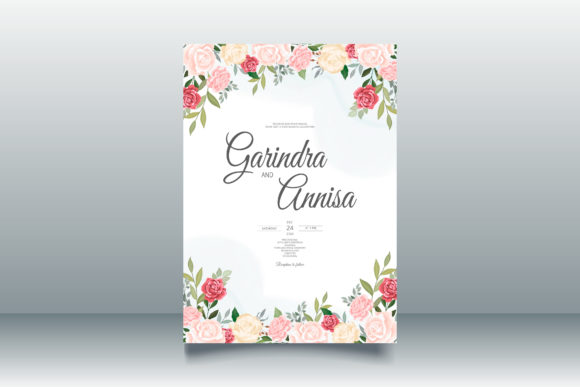
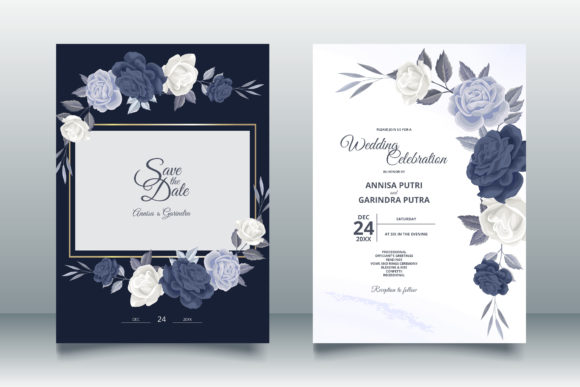
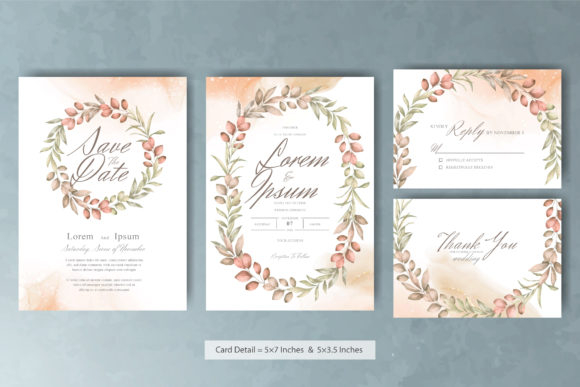
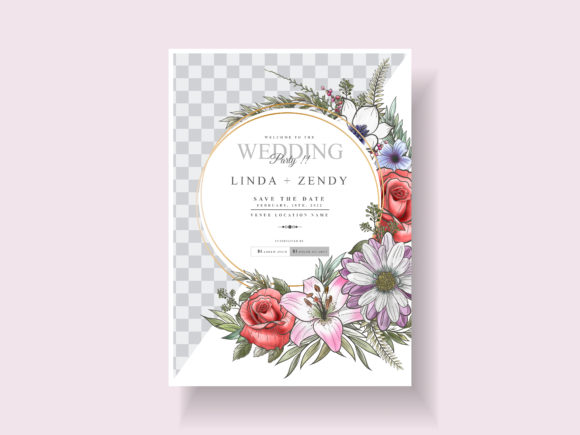
What makes this product worth discussion is its foundational proposition: it provides a starting point, not a finished product. It is a vector graphic file, supplied in Adobe Illustrator’s AI and EPS formats, featuring a romantic floral design motif. This format is inherently different from a simple image or a PDF; it is a blueprint. The core value lies in its malleability. As described, it is very easy to used and edited, and can be resized without loss of quality. This addresses a common pain point in DIY design—scalability—and places control back into the hands of the user.
Key Characteristics and Professional Applications
The Romantic Floral Wedding Invitations Card is built around two primary fonts: Great Vibes for elegant script and Times New Roman for classic serif body text. This pairing suggests a design aiming for a balance between decorative flourish and readable clarity, a sensible choice for invitations where both aesthetic and information are paramount. The inclusion of the font names is practical; it allows users to either match the intended style or, if they possess the licensed fonts, maintain exact typographic consistency when editing.
Its purpose extends beyond weddings. The product description notes its applicability for birthday parties, indicating a versatile thematic core. The floral pattern, depending on its specific rendering within the file, likely carries a soft, traditional, or vintage aesthetic suitable for a range of celebratory events. This flexibility increases its utility for small business owners, such as independent stationery designers or bloggers who create content for multiple occasions, as one asset can serve several client projects or tutorials.
Analyzing Real-World Performance and Usability
In practical use, the performance of such a template hinges on two factors: the user’s software proficiency and the inherent quality of the vector artwork. Adobe Illustrator files are industry-standard for professional graphic work. For entrepreneurs, marketers, and creators already operating within that ecosystem, integrating this Romantic Floral Wedding Invitations Card into their workflow is straightforward. They can edit text, adjust colors, rearrange elements, or even extract floral motifs to use elsewhere.
For the serious hobbyist or educator less familiar with vector software, the “easy to used” claim requires context. While the file is editable, a basic understanding of Illustrator’s interface—layers, text tools, and the selection tool—is necessary. The true ease comes from not having to create the complex floral illustration from scratch. The reliability and consistency of the output will depend largely on the user’s edits. A well-built vector file should maintain crisp lines and clean curves at any size, ensuring professional presentation for both digital proofs and final print.
The effectiveness of the final invitation will, of course, be judged by its audience—the recipients. A template like this provides a professionally drawn floral framework, elevating the design above many basic text-only or photo-collage attempts. It helps achieve a cohesive, themed look that can enhance the perceived quality of the entire event. Its long-term value for a freelancer or small business lies in its reusability; with thoughtful edits, it can become a modular asset for multiple clients, saving time on initial design conception.
Who Benefits Most from This Asset?
The Romantic Floral Wedding Invitations Card fits specific needs and project profiles. The primary beneficiary is the individual or professional who possesses Adobe Illustrator, has intermediate to basic skills in using it, and seeks to expedite the design phase of invitation creation. This includes:
- Freelance graphic designers who need a starting point for a client’s wedding or event project, allowing them to focus on customization rather than foundational illustration.
- Bloggers and publishers creating visual content about wedding planning, DIY design, or stationery, who can use the editable file to generate examples and tutorials.
- Entrepreneurs running small stationery or event planning businesses, where a library of editable templates forms a core product offering.
- Engaged couples or individuals with some design confidence who want a more personalized, high-quality invitation than a mass-market online service might provide, and who are willing to learn basic vector editing.
In contrast, those without access to Adobe Illustrator, or who require a completely finished, print-ready file with no editing, would not find this product suitable. Its value is inherently tied to the process of customization.
Practical Recommendations and Considerations
When evaluating whether the Romantic Floral Wedding Invitations Card aligns with your goals, consider your workflow and end requirements. First, confirm you have, or can access, Adobe Illustrator. Alternative vector software may open EPS files, but compatibility with the AI format is less guaranteed. Second, assess the design itself. Since the product description does not showcase the exact floral art, reaching out to the shop for a preview or detailed image—as suggested by the “feel free to send me a message” note—is a prudent step. Ensure the romantic floral style matches your or your client’s vision.
A professional observation is that such templates often excel in providing the decorative elements but may have a simpler layout. You might need to adjust spacing, add additional text boxes for complex information, or integrate a map or monogram. This is not a limitation but rather the expected nature of an editable template; it provides the core visual theme, leaving structural adaptation to the user. For a truly streamlined process, pair this asset with a reliable, high-quality print service familiar with handling vector-based artwork.
The product’s presentation as a digital asset focuses on utility over spectacle. It is a tool. Its worth is proven not in its static form, but in what the user creates from it. For those within the identified audience, it can reduce design time, ensure scalable quality, and offer a versatile base for celebratory stationery. It represents a pragmatic solution in the intersection of professional design and accessible customization.