The Art of Personalization: Hand-Painted Watercolor Wedding Invitations
In the world of wedding planning, the invitation is your first formal announcement, a preview of the celebration’s style and sentiment. While digital templates abound, there is a growing, beautiful trend towards authenticity and artistry: hand-painted floral watercolor wedding invitations. This article explores this unique blend of traditional art and modern design, specifically focusing on editable templates that offer the charm of watercolor with the practicality of customization.
The Heart of the Design: What is a Hand-Painted Watercolor Wedding Template?
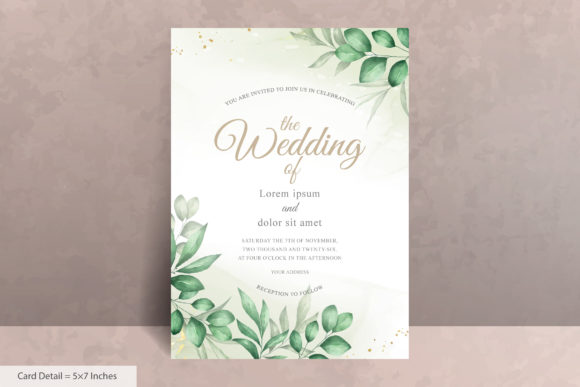
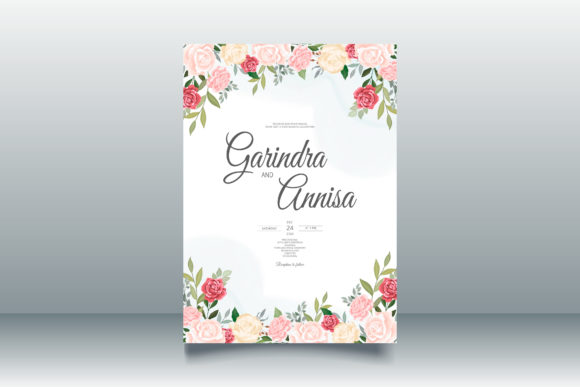
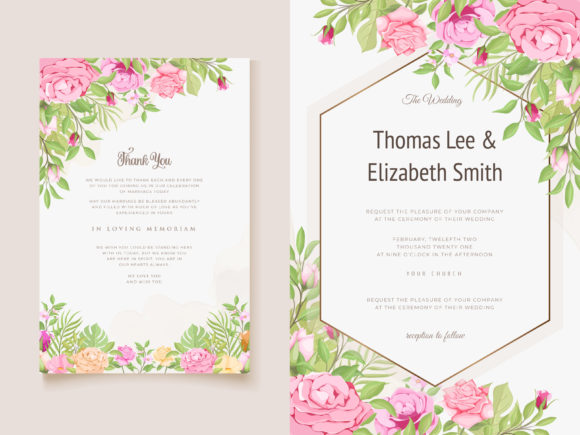
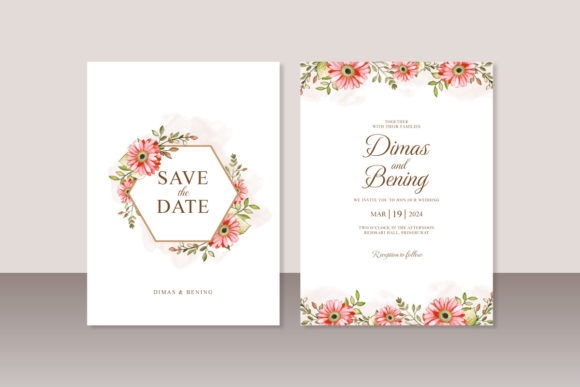
At its core, this product is a digital template born from a physical, artistic process. An artist first paints a floral composition—perhaps roses, peonies, or delicate greenery—using real watercolors on paper. This original painting is then scanned and digitized to create a high-resolution background image. This image is packaged within a zip file containing Ai, EPS, and JPG formats, allowing it to be used across various design software. The key feature is that all text elements are editable, meaning you can personalize the names, dates, venues, and every word to suit your specific event. The design uses only free fonts, ensuring accessibility and ease of use without licensing concerns.
Why Watercolor? The Significance of the Medium
Watercolor painting holds a special significance for wedding aesthetics. Unlike flat digital graphics, watercolor boasts soft blends, gentle gradients, and a tangible, organic texture. It evokes emotions of romance, delicacy, and natural beauty. The hand-painted aspect adds a layer of uniqueness; each stroke is intentional, creating a piece of art that feels personal and bespoke, even when used as a template. For couples seeking an invitation that feels crafted rather than mass-produced, this medium offers an irreplaceable warmth.
Purpose and Practical Relevance: Beyond the Pretty Picture
The purpose of these editable templates is twofold: to provide artistic beauty and functional flexibility. They bridge the gap between hiring a custom illustrator for every invitation—a costly endeavor—and using a generic, impersonal template.
- For the Couple: It allows you to be the co-designer. You get a stunning, professional-grade artistic base without the technical skill of painting. You can then inject your personal story through editable text, choosing fonts that match your voice, and arranging the layout to fit your information.
- For the Designer or Stationer: It provides a high-quality, ready-to-use asset. Using the provided AI (Adobe Illustrator) or EPS (vector) files, a designer can seamlessly integrate the watercolor background into a full invitation suite, adjusting colors or isolating elements if needed, while ensuring all text remains fully customizable for their client.
The JPG file serves as a versatile format for quick previews, direct printing, or use in simpler editing software. This multi-format approach ensures the template fits into various workflows, from professional design studios to a couple working on their project at home.
Common Misunderstandings Clarified
A common assumption is that “template” implies a rigid, cookie-cutter design. Here, the template refers only to the digital framework, not the artistic content. The watercolor painting itself is fixed, but how you use it is open. Another misconception is about “free fonts.” Some worry this limits quality. However, many free fonts today are expertly designed and offer a wide range of elegant scripts and classic serifs perfectly suited for wedding stationery. The template ensures you aren’t caught in unexpected licensing fees.
Fitting into Modern Wedding Planning: A Blend of Tech and Tradition
Modern life, especially wedding planning, often involves balancing heartfelt tradition with digital convenience. These templates sit perfectly at that intersection.
- Creativity & Personal Expression: They empower couples to participate actively in the design process. You’re not just picking a color; you’re choosing an art piece as the foundation of your wedding’s visual identity.
- Business & Entrepreneurship: For small wedding planners, stationery businesses, or Etsy shop owners, such templates are valuable inventory. They can be used to serve multiple clients efficiently while offering a product that feels custom and high-end.
- Technology in Design: The AI and EPS files are vector formats. This means they are scalable to any size without losing quality—essential for printing invitations, large welcome signs, or matching programs. This technological aspect makes the traditional art practical for various print applications.
Furthermore, in an era where digital invitations are common, a physical, artful card makes a powerful statement about the care and thought invested in the celebration. It sets a tone of elegance and attention to detail from the moment guests receive it.
Building a Broader Understanding: From Invitation to Cohesive Theme
Think of the hand-painted watercolor background not just as an invitation, but as the core visual motif for your entire wedding. This is where its utility shines.
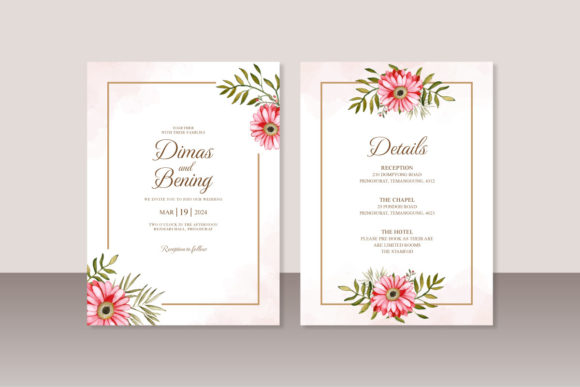
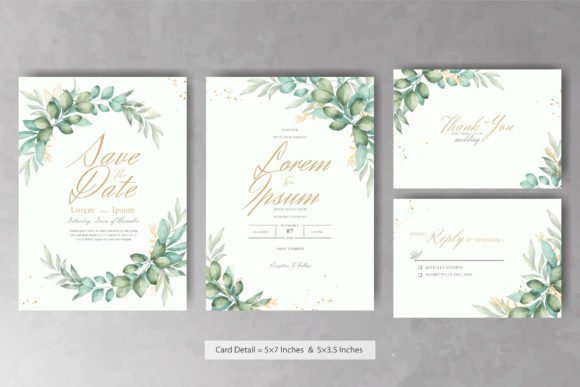
- Wedding Cards & Invitations: The primary use is, of course, the main invitation card. But the same background can be adapted for detail cards (directions, accommodations), RSVP cards, and thank-you notes, creating a beautifully cohesive stationery suite.
- Beyond the Card: The same digital file can be used to design matching items. Consider wedding websites, digital save-the-dates, signage at the venue (welcome signs, table numbers), or even elements in the wedding program. Using a consistent artistic element like your watercolor florals ties every touchpoint together.
- A Example in Practice: Imagine a couple, Anna and Ben, who love gardens. They choose a template with a hand-painted watercolor bouquet of lavender and wildflowers. They edit the text to reflect their names and date. They then use elements from the JPG file to create a watermark on their wedding website header. Their stationer uses the AI file to extract a single flower to create a monogram for their napkins. One piece of art becomes the unifying thread.
This approach moves beyond a single product to a strategic design choice, maximizing the value and impact of the template.
Navigating the Process: How to Use Such a Template
For beginners, the process might seem technical, but it’s quite approachable.
- Unpack the Zip File: Download and open the zip file to access the three formats (AI, EPS, JPG).
- Choose Your Software: If you have Adobe Illustrator or similar vector software, use the AI/EPS files for the most control. For simpler editing (like adding text in Photoshop, Canva, or even Word), the high-resolution JPG is perfect.
- Edit the Text: In your chosen software, add text layers over the beautiful background. Use the recommended free fonts or choose your own. Play with placement, size, and color to ensure the text complements, not competes with, the art.
- Print or Digital Use: Once finalized, save your design and send it to a professional printer for physical cards, or use it for digital distribution.
The key is to view the watercolor background as a canvas—your job is to write the story on it.
The Final Significance: An Invitation as a Keepsake
In the end, a wedding invitation is more than a functional piece of information; it is a keepsake. Guests often save them, and couples treasure them as the first artifact of their married life. A hand-painted watercolor design elevates this keepsake. It carries the imperfection and beauty of human artistry—the soft bleed of colors, the transparency of layers—things that digital perfection cannot replicate. When combined with the editable text that tells your unique story, it becomes a truly personalized heirloom.
Whether you are a couple seeking a touch of art for your celebration, a creative looking for a versatile design asset, or simply someone appreciating the marriage of traditional craft and modern utility, these editable wedding invitation cards with watercolor painting represent a meaningful and practical choice. They honor the romance of the past while embracing the tools of the present, ensuring your first “hello” to your wedding day is as beautiful and personal as the event itself.