The Appeal and Utility of Floral Art Digital Paper for Creative Projects
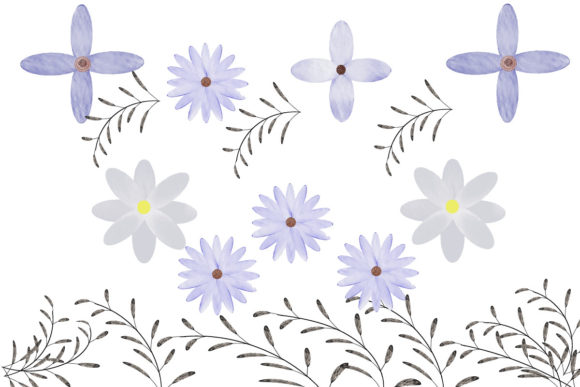
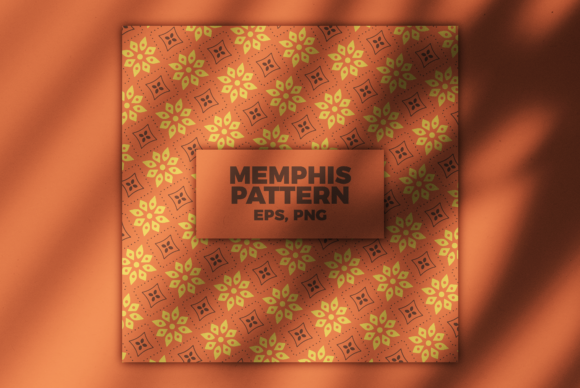
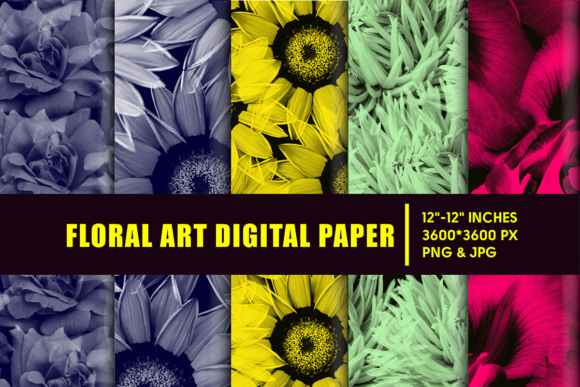
Floral Art Digital Paper represents a specific category of digital graphic resource designed for seamless, high-resolution use across various digital and print mediums. Unlike a single illustration or a photograph of a flower, this type of digital paper consists of pattern-based artwork, where floral motifs are arranged in a repeating or expansive design, creating a continuous, ready-to-use background or texture. The core distinction lies in its format and purpose: it is provided as a flat image file, typically in JPEG or PNG format, at dimensions and resolutions calibrated for professional use, such as 12 inches by 12 inches at 3600 pixels. This makes it a foundational, versatile asset rather than a finished composition.
Understanding the Digital Paper Format and Its Capabilities
The primary advantage of Floral Art Digital Paper is its immediate utility. When you acquire a set, you receive files that are often "print-ready," meaning they are sized at standard dimensions like 12x12 inches with a high pixel density (3600x3600). This resolution ensures clarity and detail whether the file is used for a large-scale physical print, such as for crafting scrapbook pages or packaging, or for digital projects like website backgrounds, invitation templates, or social media graphics. The inclusion of both JPEG and PNG files offers flexibility. JPEG files are generally smaller and efficient for layered projects where exact transparency isn't needed. PNG files, especially when saved with transparency, allow designers to overlay the floral pattern onto other elements without a white background, integrating it more cleanly into complex layouts.
Comparing Floral Digital Paper to Other Graphic Resources
When evaluating resources for a project involving floral aesthetics, several alternatives exist. Understanding their differences helps in selecting the right tool.
- Stock Photography: High-quality photos of flowers provide realism and depth. They are ideal for projects requiring a natural, organic feel. However, they are not inherently patterned or seamless; creating a uniform background from a single photo often requires extensive editing and may not achieve the repetitive, wallpaper-like effect that digital paper offers effortlessly.
- Vector Illustrations: Vector floral designs, often in SVG or AI formats, are scalable to any size without quality loss and are editable. They are superb for logo design or projects where you need to modify colors and shapes. Their tradeoff is that they can be more complex to use for a quick, full-area background, as they may require arranging and patterning within a vector software editor, whereas digital paper is an immediate, raster-based fill.
- DIY Pattern Creation: Some designers create their own patterns using illustration software. This offers maximum customization and originality. The limitation is the significant time, skill, and effort required. Floral Art Digital Paper serves as a time-saving alternative, providing professionally composed patterns for those who need quality results without the process of creation from scratch.
Strengths and Best-Fit Applications for Floral Art Digital Paper
The strengths of this resource are clear in specific contexts. Its pre-designed, high-resolution nature makes it a powerhouse for efficiency. For crafters and small business owners producing physical goods—such as greeting cards, wedding invitation suites, or boutique product labels—having a print-ready file eliminates technical sizing hurdles. Digital marketers and content creators find value in using these papers as attractive backgrounds for online advertisements, blog graphics, or YouTube channel art, where visual consistency and aesthetic appeal are important.
A key strength is the artistic cohesion. Since the floral art is designed as a complete paper, the color palette, motif scale, and pattern rhythm are harmoniously balanced by the artist. This provides a polished look that can be harder to achieve by manually assembling disparate floral clip art elements. The 12x12 inch square format is also notably aligned with common project sizes in graphic design and crafting, making it a practical standard.
When Floral Art Digital Paper Might Not Be the Optimal Choice
Despite its utility, there are project requirements where other options might be more suitable. If your project demands extreme scalability—for instance, a floral pattern that must cover a billboard or a very small icon—a vector format would provide more technical flexibility. Similarly, if you need a photorealistic, three-dimensional look for a luxury perfume campaign, a professional stock photograph might achieve a different level of sensory impact.
Furthermore, if your design needs require you to deconstruct the floral elements, change individual flower colors independently, or animate parts of the design, a flat digital paper PNG or JPEG file is limiting. In such cases, a layered file or vector pack would be necessary. The tradeoff here is between convenience and control; digital paper offers maximum convenience for application but less control over the individual components of the design.
Evaluating Quality and Making an Informed Selection
When considering a Floral Art Digital Paper collection, several practical factors can guide your decision beyond the aesthetic appeal of the samples.
- File Specifications: Verify the stated dimensions and resolution. 3600x3600 pixels at 12 inches equates to 300 pixels per inch (PPI), a standard for high-quality print. Ensure this matches your output needs.
- File Format Variety: As noted, the provision of both JPEG and PNG files increases versatility. Check if the PNGs are truly transparent or have a white background.
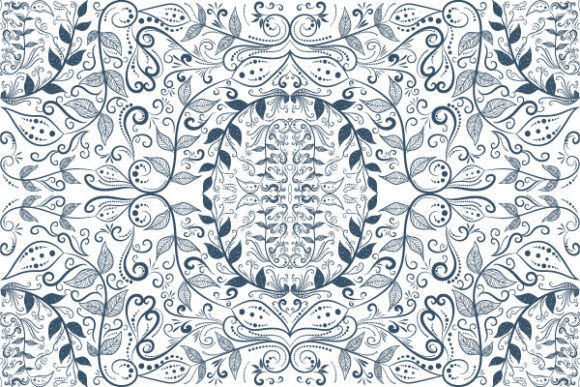
- Pattern Design Coherence: Look at how the pattern tiles or repeats. A well-designed digital paper should have a seamless repeat where the edges blend invisibly, allowing you to extend it over any area without obvious seams.
- Color Palette Suitability: Assess whether the colors are vibrant and clear or muted and soft, and if they align with your project's brand or theme. Consider if the palette is versatile enough for multiple applications within your workflow.
It is also prudent to consider the source. Collections offered by dedicated digital artists or studios, often under brands like NavDaisy, typically ensure a level of design care and technical correctness. Following such creators can provide access to cohesive series of designs that maintain a consistent style, which is beneficial for ongoing projects requiring a unified visual language.
Integrating Digital Paper into a Creative Workflow
A realistic application example might involve creating a series of promotional graphics for a spring sale. Instead of designing each graphic's background from scratch, you could use a single, cheerful floral digital paper as the base layer across all assets. In a software like Photoshop or Canva, you would place the PNG file as the bottom layer, then add text and product images over it. This creates immediate visual harmony and speeds up production. For a physical application, you might print the JPEG file directly onto cardstock to create a set of matching thank-you cards for your business.
The decision to use Floral Art Digital Paper, therefore, often hinges on the balance between originality and efficiency. It is an excellent choice when you value a professional aesthetic, need to produce consistent materials quickly, and are working within standard print or digital dimensions. It may be less ideal for projects requiring unique, custom-drawn artwork or where the floral elements need to be manipulated independently in complex ways.
Ultimately, the resource serves as a bridge, providing the beauty of floral artistry in a practical, application-ready format. By understanding its characteristics, comparing it to the spectrum of available graphic resources, and honestly assessing your project's specific needs for control, scalability, and realism, you can make a more informed decision on whether it is the right foundational element for your current creative endeavor.